If you’ve lived in Tarrant, Wise, or Parker County for any length of time, you’ve probably heard a neighbor mention their foundation. Maybe you’ve noticed a crack above your doorway or a floor that doesn’t quite feel level anymore. What most North Texas homeowners don’t realize is that the ground beneath their feet is working against them — constantly, silently, and relentlessly.
The culprit? Texas clay soil.
North Texas sits on some of the most expansive clay soil in the entire country. This isn’t a minor inconvenience. It’s the single biggest reason why foundation repair is such a common conversation in this part of Texas — and why homeowners who understand what’s happening underground are far better equipped to protect their biggest investment.
This guide breaks down exactly what Texas clay soil is, how it damages your foundation, what warning signs to look for, and what you can do to slow the process down.
What Makes Texas Clay Soil So Problematic?
Texas is home to an abundance of Vertisols — a category of highly expansive clay soils that swell dramatically when they absorb moisture and shrink just as dramatically when they dry out. In fact, the USDA Natural Resources Conservation Service identifies North Texas as one of the regions with the highest concentration of shrink-swell clay soils in the United States.
The most prevalent type in our area is called Houston Black Clay (also known as “black gumbo”), a dark, sticky clay that is notoriously difficult to manage in construction and landscaping alike. This clay can expand in volume by as much as 30 to 40 percent when fully saturated.
Now imagine that expansion and contraction cycle happening beneath your home — season after season, drought after drought, storm after storm.
That movement is what breaks foundations.
How Texas Clay Soil Damages Your Foundation
The Expansion-Contraction Cycle
The core mechanism of clay soil damage is simple: clay expands when wet and contracts when dry. The problem is that this movement is rarely uniform. Different sections of your soil absorb moisture at different rates depending on drainage patterns, tree roots, plumbing lines, and how well your yard is graded.
When part of your foundation is being pushed up (by wet, swelling clay) while another part is sinking (from dry, contracted clay), the concrete or timber structure is being pulled in multiple directions simultaneously. Over time, that stress exceeds the material’s tolerance and cracks form — in slabs, in piers, in beams, and in the walls above.
Drought Cycles Accelerate the Problem
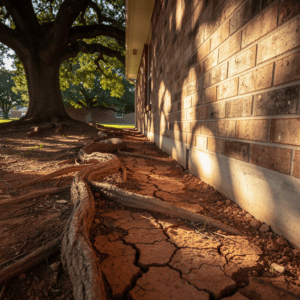
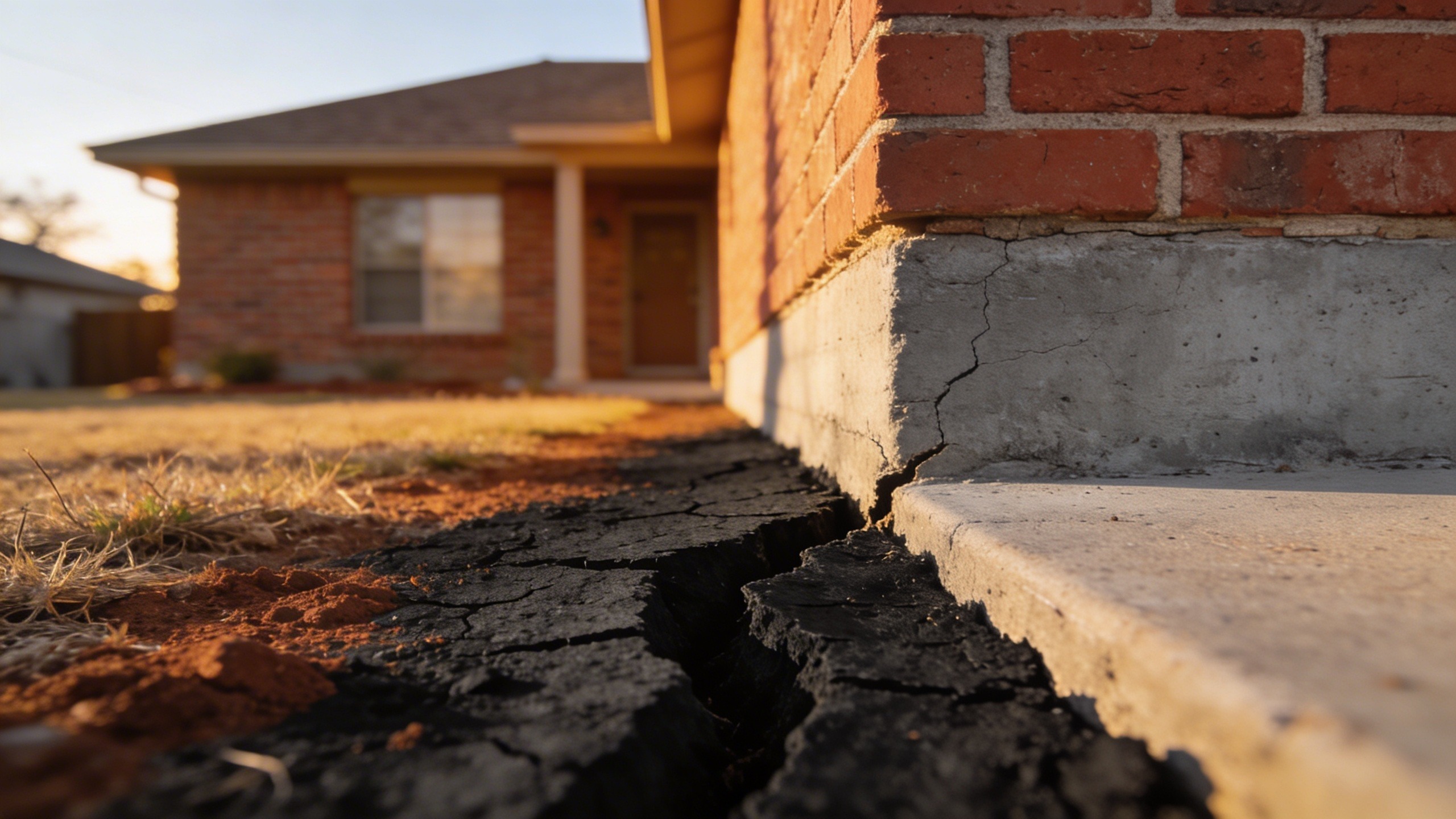
North Texas summers are brutally hot and often dry. During extended droughts, clay soil can pull away from the perimeter of your foundation, leaving a visible gap between the soil and your home. This gap allows moisture — when rain does arrive — to rush directly beneath the slab or pier system all at once, rather than being absorbed gradually.
That sudden saturation after prolonged drought is one of the most damaging scenarios a foundation can experience.
The Root Factor
Large trees and shrubs close to your home accelerate this problem significantly. Tree roots actively draw moisture from the soil surrounding your foundation, creating localized zones of extreme dryness directly beneath or adjacent to your structure. Mature live oaks, pecans, and elms — all common in Tarrant and Parker Counties — are particularly aggressive in their moisture extraction.
Why Tarrant, Wise, and Parker County Homes Are Especially at Risk
The geology across our three-county service area is heavily dominated by these expansive clay formations. Communities built in the Fort Worth Prairie ecoregion — which covers much of Tarrant and Wise Counties — sit directly on the most problematic clay deposits in the state.
Parker County, while slightly more varied in its soil composition near the eastern edge of the Palo Pinto Hills, still contains significant clay-heavy zones, particularly in lower-lying residential areas near creek corridors.
Add to this the fact that much of the housing stock in this region was built during Texas’s postwar suburban expansion — many homes are 40 to 60 years old — and you have structures that have been subjected to decades of clay movement without modern foundation engineering standards.
If your home was built before the 1990s, the engineering practices used at the time almost certainly didn’t account for the full severity of North Texas clay behavior. That’s not a reason to panic — it is, however, a reason to pay close attention.
Warning Signs That Clay Soil Is Affecting Your Foundation
Clay soil damage doesn’t happen overnight, but it also doesn’t announce itself with a warning label. Here’s what to watch for:
Inside your home:
- Doors and windows that stick, drag, or won’t latch properly
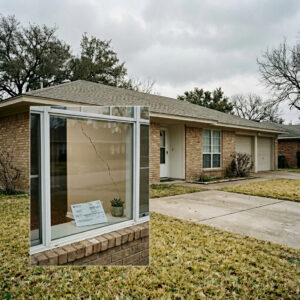
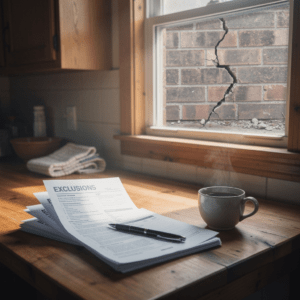
- Diagonal cracks running from the corners of door frames or windows
- Cracks in drywall, especially near ceiling/wall junctions
- Floors that feel spongy, bouncy, or noticeably uneven
- Gaps forming between walls and the ceiling or floor
Outside your home:
- Visible cracks in brick veneer, especially stair-step cracks in the mortar
- Gaps between the soil and your foundation perimeter
- Exterior doors that no longer close flush with the frame
- Concrete porches, driveways, or walkways that have cracked or shifted away from the house
If you’re noticing any of these signs, our post on Foundation Issues or Normal House Settling? How to Tell the Difference in Texas Homes walks through exactly which symptoms require professional evaluation and which fall within normal ranges.
It’s also worth knowing that these warning signs can intensify dramatically during winter. North Texas winters bring freeze-thaw cycles on top of already-stressed clay soil, and the combination can accelerate damage that was progressing slowly through summer. We cover this in detail in our guide to Why North Texas Foundation Problems Get Worse in Winter.
What You Can Do to Protect Your Foundation from Clay Soil
You can’t change the soil under your home. But you can significantly reduce the rate at which it damages your foundation by controlling moisture as consistently as possible.
1. Maintain Consistent Soil Moisture Year-Round
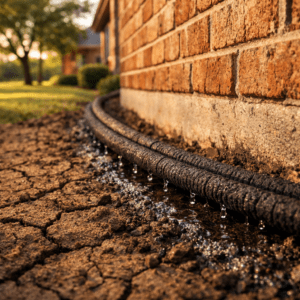
The most effective thing a North Texas homeowner can do is prevent the extreme wet/dry swings that cause the most damage. A soaker hose system installed around the perimeter of your foundation — run on a consistent schedule during dry months — keeps the clay from contracting too severely.
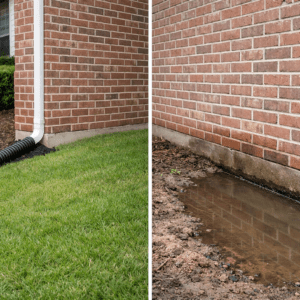
During wet seasons, proper drainage and grading ensure that water moves away from your foundation rather than pooling against it.
2. Grade Your Yard Away from the Foundation
Your yard should slope away from your home at a minimum of 6 inches over the first 10 feet. If water is running toward your foundation or pooling against it, you’re accelerating the very moisture imbalance that causes the most damage.
3. Manage Trees and Large Shrubs
Keep large trees at least 15 to 20 feet from your foundation. If removal isn’t practical, installing a root barrier can help limit subsurface moisture extraction. This is especially important for mature oaks and pecans within 10 to 15 feet of the structure.
4. Maintain Gutters and Downspouts
Clogged gutters dump water directly against your foundation when it rains. Downspouts should extend at least 4 to 6 feet from the foundation before releasing water. This is one of the simplest, lowest-cost protective measures available.
5. Watch for Plumbing Leaks
Slab leaks — broken or leaking pipes beneath a concrete foundation — can create localized saturation that severely destabilizes the clay soil in a concentrated area. If you notice unexplained wet spots, a sudden increase in your water bill, or the sound of running water when no fixtures are in use, have your plumbing inspected promptly.
For more information on how different types of visible damage connect back to foundation movement, see our post on What Those Wall Cracks in Your House Really Mean: A Foundation Expert’s Guide for Texas Homeowners.
When Clay Soil Damage Reaches the Point of Repair
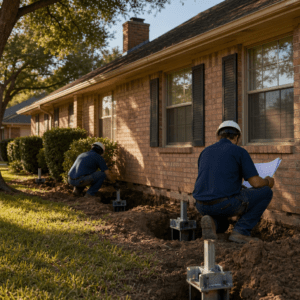
Preventive measures buy time — sometimes years of it. But if clay soil movement has already caused structural damage, no amount of soaker hose maintenance will reverse what’s been done. Once your foundation has shifted out of level, or once piers have settled or beams have deteriorated, the only path forward is professional structural repair.
The Texas A&M AgriLife Extension Service, which publishes some of the most comprehensive research on expansive soil behavior in the state, confirms that most residential foundation movement in Texas is directly attributable to soil volume changes driven by moisture content — reinforcing why both prevention and timely repair are essential strategies for homeowners in this region.
At Tri-County Foundation Repair, our repair process begins with a licensed structural engineer — not a salesperson. Every project starts with a professional engineering inspection that gives you an accurate, unbiased assessment of what’s actually happening beneath your home before any repair work is proposed. That engineering report belongs to you, and you’re free to get competing estimates before making any decisions.
If you’re seeing warning signs and wondering whether you’ve crossed the line from preventable deterioration into necessary repair, call us at (817) 406-4094 or use our contact form to get started. We serve homeowners across Tarrant, Wise, and Parker Counties.
Frequently Asked Questions About Texas Clay Soil and Foundation Problems
Why do Texas homes have so many foundation problems compared to other states?
Texas sits on some of the most expansive clay soil in North America. Unlike sandy or rocky soils that remain relatively stable, Texas clay — particularly the Vertisol formations common to North and Central Texas — swells significantly when wet and contracts when dry. This constant movement places cyclical stress on foundations that eventually causes cracking and settlement. Combined with North Texas’s dramatic seasonal weather swings, including hot dry summers and wet springs, the conditions create near-constant soil movement beneath homes throughout the region.
What type of soil causes foundation problems in Texas?
The primary culprit is expansive clay soil, specifically Vertisols with high shrink-swell capacity. In North Texas, the most prevalent variety is Houston Black Clay, a dark, dense clay that can expand in volume by 30 to 40 percent when fully saturated. The USDA Natural Resources Conservation Service identifies the North Texas region — including Tarrant, Wise, and Parker Counties — as having some of the highest concentrations of high-plasticity clay in the country.
How does clay soil cause foundation cracks?
Clay soil causes foundation cracks through uneven movement. When different sections of soil beneath a home absorb or lose moisture at different rates, the foundation is pushed and pulled in multiple directions simultaneously. One section may be lifted by swelling wet clay while another drops due to dry, contracted clay. This differential movement — rather than uniform settling — is what generates the internal stress that ultimately cracks concrete slabs, shifts pier and beam systems, and produces the visible symptoms homeowners notice inside the house.
What are the signs that clay soil is damaging my foundation?
The most common signs include diagonal cracks running from the corners of door and window frames, stair-step cracks in brick mortar joints, doors and windows that stick or won’t close properly, floors that feel uneven or spongy, gaps between walls and ceilings, and visible separation between the soil and the foundation perimeter. These symptoms often worsen during or after periods of extreme drought or heavy rainfall, both of which accelerate clay soil movement.
How do I protect my foundation from clay soil in Texas?
The most effective protection is moisture consistency. Using a soaker hose system around your foundation’s perimeter during dry months helps prevent the severe clay contraction that causes the most damage. Proper yard grading ensures water flows away from the structure rather than pooling against it. Managing trees within 15 to 20 feet of the home reduces moisture extraction from foundation soils. Keeping gutters clean and extending downspouts at least 4 to 6 feet from the house also significantly reduces the moisture swings that drive clay movement.
Can a foundation damaged by clay soil be repaired?
Yes. Foundation damage caused by clay soil movement is repairable in most cases. The appropriate repair method depends on the foundation type and the extent of the damage. For pier and beam foundations, repairs typically involve replacing or supplementing failing piers, re-leveling beams, and addressing any damaged structural components. For slab foundations, repairs may involve steel push piers or helical piers driven to load-bearing soil beneath the clay layer. The key is getting a professional engineering assessment first so the repair is designed around the actual cause and severity of the movement.
Does clay soil affect pier and beam foundations differently than slab foundations?
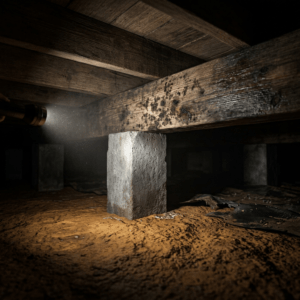
Yes, there are meaningful differences. Slab foundations are rigid concrete structures that can crack and heave as the clay beneath them moves. Pier and beam foundations have more inherent flexibility — the raised structure can tolerate some soil movement — but the wooden components are also susceptible to moisture damage, decay, and insect infestation in the humid conditions that expansive clay creates. Both foundation types are vulnerable to clay soil; they simply fail in different ways and require different repair approaches.
How much does clay soil foundation repair cost in North Texas?
Repair costs vary significantly based on foundation type, the scope of damage, and the size of the home. Smaller repairs addressing localized settlement may fall in the range of $3,500 to $8,000. Larger projects involving multiple piers, tunneling, or extensive leveling can range from $15,000 to $30,000 or more. The most important first step is a professional engineering inspection, which provides an accurate diagnosis before any repair work is proposed. At Tri-County Foundation Repair, the cost of the engineering inspection is deducted from the final project estimate when we are awarded the work.