If you’re a homeowner in Tarrant, Wise, or Parker County, you might notice your doors sticking more in December or new cracks appearing after a cold snap. You’re not imagining things—foundation problems genuinely worsen during North Texas winters, and understanding why can help you protect your home’s most critical structural component
The Texas Clay Soil Challenge
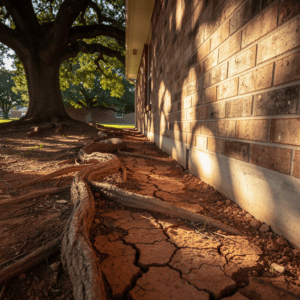
North Texas sits on expansive clay soil, which behaves dramatically differently than soil in other parts of the country. This clay soil is highly reactive to moisture changes, and winter weather creates a perfect storm of conditions that stress your foundation.
During summer and fall, our clay soil dries out and contracts, pulling away from your foundation. When winter arrives with increased rainfall and lower evaporation rates, this same soil absorbs moisture and expands—sometimes increasing in volume by 10% or more. According to the Foundation Performance Association, this constant expansion and contraction creates tremendous pressure on both pier and beam and slab foundations.
Why Winter Makes Foundation Problems Worse
Temperature Fluctuations Create Stress
Texas winters aren’t consistently cold. We experience freeze-thaw cycles where temperatures drop below freezing at night and warm up during the day. This cycling causes soil and foundation materials to expand and contract repeatedly, accelerating existing damage. A hairline crack in December can become a significant structural concern by February.
Increased Rainfall and Moisture
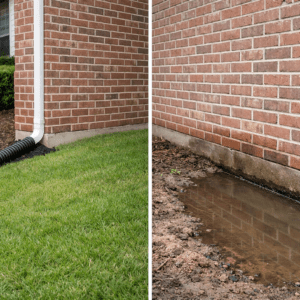
Winter typically brings more precipitation to North Texas, and with cooler temperatures, that moisture stays in the soil longer. For homes with drainage issues or improper grading, this excess moisture creates uneven soil expansion around the foundation perimeter. One side of your foundation might be experiencing significant upward pressure while another area remains stable, causing differential movement.
Reduced Evaporation Rates
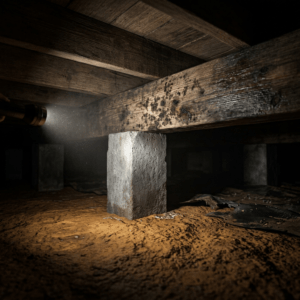
During summer, high temperatures cause rapid moisture evaporation from soil. In winter, cooler temperatures and shorter days mean moisture lingers. This is particularly problematic for pier and beam foundations in Tarrant, Wise, and Parker counties, where crawl space moisture can accumulate and create ongoing problems.
What North Texas Homeowners Should Watch For This Winter
Interior Warning Signs:
- Doors that suddenly stick or won’t latch properly (especially interior doors)
- Gaps appearing between walls and ceilings or floors
- Cracks in drywall, particularly above door frames or at corner angles
- Floors that feel uneven or seem to slope
- Windows that become difficult to open or close
Exterior Warning Signs:
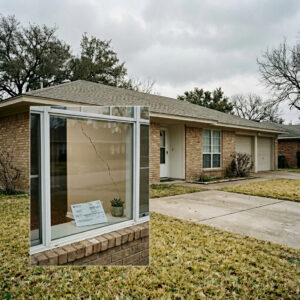
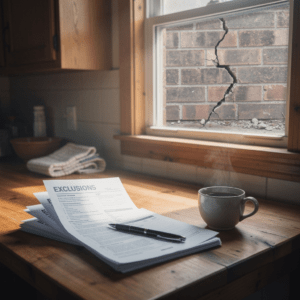
- New cracks in brick or exterior walls
- Separation between the chimney and house
- Gaps around exterior doors or window frames
- Cracks in your foundation slab or visible settling of pier and beam supports
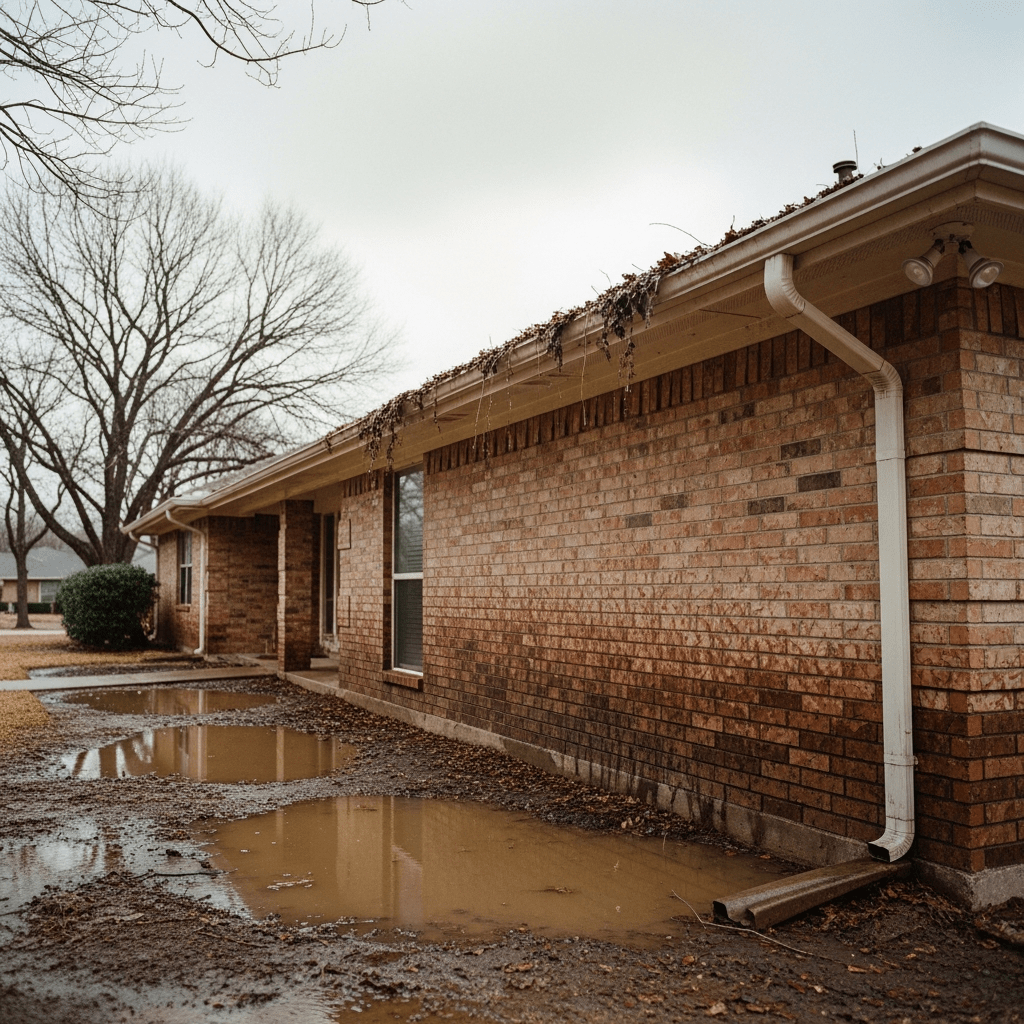
- Water pooling near your foundation after rain
Crawl Space Concerns (Pier and Beam Homes):
- Standing water or excessive moisture
- Musty odors coming from under the house
- Visible sagging in floor joists
- Deteriorating wooden support beams
The Winter Foundation Inspection Advantage for Foundation Problems
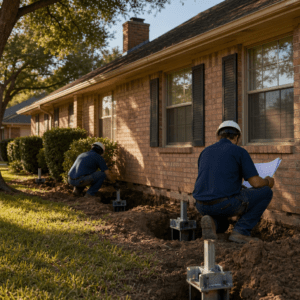
While winter can reveal foundation problems, it’s actually an ideal time to address them. Contractors like Tri-County Foundation Repair typically have more availability during winter months, and the moisture-saturated soil conditions allow engineers to see exactly how your foundation behaves under stress.
Additionally, addressing foundation issues before spring’s heavy rains arrive prevents minor problems from becoming major repairs. The wet-dry cycle of Texas weather means that damage visible in December will likely worsen significantly when spring rains arrive followed by summer drought.
Understanding Your Foundation Type and Winter Risks
Pier and Beam Foundations: These elevated foundations are particularly vulnerable to winter moisture and foundation problems in North Texas. The crawl space can trap humid air, leading to wood rot in beams and posts. Winter is when you’ll most likely notice sagging floors or bouncy areas, as moisture-damaged wood loses structural integrity.
Slab Foundations: Concrete slabs experience stress and foundation problems from uneven soil expansion beneath them. Winter moisture causes certain areas to rise (upheaval) while others may remain stable or even sink, creating differential movement. This is when you’ll see new cracks or existing cracks widen.
What You Can Do Right Now
Manage Moisture Around Your Foundation:
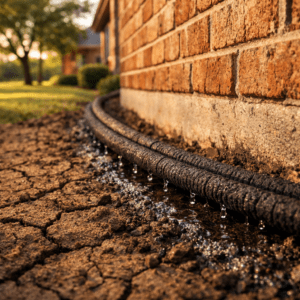
- Ensure gutters are clean and downspouts direct water at least 5-10 feet away from your foundation
- Check that your yard slopes away from your house
- Avoid overwatering landscaping near your foundation during winter
- Keep crawl space vents open for air circulation
Monitor and Document:
- Take photos of any cracks or damage you notice
- Note when doors or windows start sticking
- Pay attention to patterns (does it happen after rain?)
- Keep a simple log of changes of foundation problems
Know When to Call a Professional: Not every crack means catastrophic failure, but some signs warrant immediate professional attention. If you notice rapid changes, multiple symptoms appearing simultaneously, or significant cracks (wider than 1/4 inch), it’s time for a professional engineering inspection.
Winter Foundation Maintenance: Your December-Through-February Action Plan
Understanding what to watch for is only part of the equation to avoid foundation problems. Proactive homeowners in Tarrant, Wise, and Parker counties should follow a strategic maintenance approach throughout the winter months to minimize foundation stress and catch problems early.
December: Initial Assessment and Preparation
As winter begins, conduct a thorough baseline assessment of your home. Walk the entire perimeter of your foundation, looking for any visible cracks, separations, or areas where soil has pulled away from the foundation. This is particularly important after the late fall rains have saturated the soil but before the coldest weather arrives.
Check your drainage systems while the ground is still workable. Clogged gutters filled with fall leaves are one of the primary causes of foundation problems during winter. When gutters overflow, water cascades directly beside your foundation, creating the exact soil saturation that causes expansion and upheaval. Clean gutters now, and verify that all downspouts are properly extended and directing water away from your home.
For pier and beam homes, December is the ideal time to inspect your crawl space before winter moisture becomes problematic. Look for any signs of existing moisture issues, check that vents are functioning properly, and ensure there’s no standing water. If you notice moisture problems in December, they’ll only worsen as winter progresses.
January: Peak Moisture Monitoring
January typically brings the heaviest winter precipitation to North Texas. This is when soil moisture reaches its peak, and your foundation experiences maximum stress from expansion. During this month, pay particular attention to how your home responds to rain events.
After each significant rainfall, walk through your home checking doors and windows. Do doors that operated smoothly in December now stick? Are there new cracks or have existing cracks widened? This real-time monitoring helps you identify active foundation movement rather than discovering problems months later when repair costs have multiplied.
Check crawl spaces more frequently during January. In pier and beam homes, this is when moisture accumulation becomes most problematic. Even homes with adequate ventilation can experience increased humidity during sustained wet periods. If you notice condensation on pipes, musty odors, or visible moisture on beams, intervention is needed.
February: Transition Planning
February marks the transition period when winter moisture begins to recede but hasn’t yet been replaced by spring rains. This month offers an opportunity to assess cumulative winter damage and plan for spring maintenance.
Document the current state of any cracks, door issues, or floor concerns you’ve noticed throughout winter. Take measurements and photographs. This documentation serves two purposes: it provides a baseline for future comparison, and it gives foundation professionals clear information about progression if you decide to seek evaluation.
February is also the strategic time to address drainage improvements if winter revealed problems. Before spring rains arrive, consider whether your current drainage system adequately protects your foundation. Are there areas where water pools? Do downspouts need extensions? Would French drains or other drainage solutions benefit specific problem areas?
The Winter-to-Spring Transition: Critical Timing for Foundation Health
The transition from winter to spring represents the most stressful period for North Texas foundations. Understanding this critical window helps homeowners protect their investment and catch problems at the most manageable stage.
Why This Transition Matters
During winter, soil beneath your foundation absorbs moisture and expands. This expansion is relatively gradual as moisture accumulates over weeks and months. Your foundation adjusts to this upward pressure slowly, and while problems may develop, they often do so incrementally.
The danger comes when spring arrives. As temperatures warm and heavy spring rains give way to drier conditions, soil moisture doesn’t recede uniformly. Areas near trees dry faster as roots pull moisture. Areas with poor drainage retain moisture longer. Sections receiving full sun exposure dry more quickly than shaded portions.
This creates the differential movement that causes the most severe foundation damage. One section of your foundation may be dealing with saturated, expanded soil while another section ten feet away is already experiencing soil contraction. This uneven stress is what creates diagonal cracks, causes significant door and window problems, and leads to the structural issues that require major repair.
What to Watch During March and April
As winter transitions to spring, increase your monitoring frequency. Check problem areas weekly rather than monthly. Pay particular attention to:
- Cracks that seemed stable during winter but begin widening as soil moisture changes
- Doors that stuck during wet winter months but still won’t close properly even as weather dries
- New cracks appearing in locations that showed no problems during winter
- Changes in floor levelness as soil beneath your foundation shifts unevenly
These transitional symptoms often indicate that winter moisture created stress, and now the drying process is revealing the full extent of foundation movement.
The Advantage of Early Spring Intervention
If winter monitoring revealed concerning symptoms, early spring is often the optimal time for foundation repair in North Texas. Soil conditions have stabilized somewhat after winter moisture, but you haven’t yet entered the extreme heat and drought of summer. Foundation work completed in early spring allows repairs to settle and stabilize before the next winter moisture cycle begins.
Additionally, scheduling foundation evaluation in February or March often means better contractor availability before the busy spring and summer season. The $1,100 engineering inspection investment in early spring can prevent damage that would cost exponentially more to repair if left until the problem worsens through another complete seasonal cycle.
The North Texas Foundation Reality
Living in Tarrant, Wise, or Parker County means accepting that foundation maintenance is part of homeownership to avoid foundation problems. Our expansive clay soil and variable weather patterns create challenging conditions that few other regions face. The good news is that with proper monitoring and timely intervention, foundation problems are manageable.
Winter doesn’t cause foundation problems—it reveals them. The issues developing during winter have often been building for months or years. What looks like a sudden problem in December is usually a long-term issue finally becoming visible.
If you’re noticing changes in your home this winter, and are concerned about foundation problems, don’t panic, but don’t ignore them either. A professional engineering inspection can determine whether you’re seeing normal house behavior or the early stages of foundation failure. In North Texas, catching foundation problems early isn’t just good practice—it’s essential protection for your most significant investment.
The foundation experts at Tri-County Foundation Repair understand how North Texas weather affects both pier and beam and slab foundations. With over 19 years of experience in Tarrant, Wise, and Parker counties, we’ve seen how winter conditions reveal foundation stress and know exactly what to look for. If you’re concerned about changes you’re noticing this winter, professional evaluation can provide peace of mind—or catch a problem before it becomes expensive.