“Is this normal settling or do I have foundation problems?”
It’s one of the most common questions we hear from homeowners in Tarrant, Wise, and Parker counties. You’ve noticed a crack, a sticky door, or an uneven floor, and you’re trying to figure out whether you’re dealing with a manageable quirk of homeownership or the beginning of an expensive foundation crisis.
The answer matters tremendously—both for your peace of mind and your bank account. Treating normal settling as a foundation emergency wastes money and creates unnecessary stress. Dismissing actual foundation problems as “normal” allows minor issues to become major catastrophes.
After nearly two decades repairing foundations throughout North Texas, we can help you understand the difference.
What “Normal Settling” Actually Means
First, let’s define terms. Every house—regardless of how well it’s built—experiences some settling. This is the natural process where a structure adjusts to its foundation and the soil beneath it over time.
True Normal Settling:
- Occurs primarily in the first 1-2 years after construction
- Involves minor, uniform downward movement as soil compresses under the structure’s weight
- Creates small, stable cosmetic cracks
- Doesn’t significantly affect doors, windows, or floor levels
- Stabilizes over time and doesn’t worsen
What’s NOT Normal Settling:
- Movement continuing years after construction
- Rapid changes in doors, cracks, or floors
- Differential movement (one area settling while another doesn’t)
- Seasonal patterns of doors sticking, cracks widening, or floors sloping more
- Structural changes that progressively worsen
The critical distinction is that normal settling happens once, early on, and then stops. Foundation problems are ongoing, progressive, and often get worse over time—especially in Texas.
The Texas Difference: Why Our Homes Behave Differently
If you’ve lived in other parts of the country, you might have rarely heard about foundation problems. In Tarrant, Wise, and Parker counties, foundation issues are a regular topic of conversation among homeowners. There’s a reason.
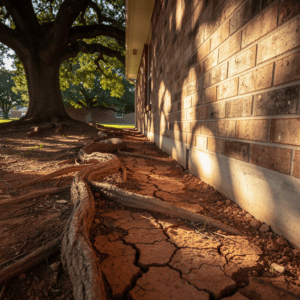
Expansive Clay Soil: North Texas sits atop highly expansive clay soil that can change volume by 10% or more based on moisture content. When this soil dries out, it contracts and pulls away from your foundation. When it absorbs water, it expands and pushes against your foundation. This constant cycling creates ongoing stress that most regions never experience.
Extreme Weather Patterns: Texas weather is famously volatile. We experience severe summer droughts followed by torrential spring rains. This wet-dry cycle drives dramatic moisture changes in soil, which drives foundation movement.
The Critical Reality: What feels like “normal settling” in Texas is often actually ongoing foundation movement caused by our unique soil conditions. This is why the “wait and see” approach that might work elsewhere can be disastrous here.
How to Tell the Difference: The Diagnostic Framework
Let’s walk through a systematic way to evaluate whether you’re dealing with normal settling or foundation problems.
Time Frame Analysis
Normal Settling:
- Your home is less than 2 years old
- Issues appeared within the first year after construction
- Changes haven’t progressed or worsened in the past 12+ months
- Your home is 50+ years old, and these cracks/issues have been stable for decades
Foundation Problems:
- Your home is several years old, and you’re seeing new issues
- Problems that were minor six months ago are noticeably worse now
- Issues disappeared for a while and have now returned
- You’re seeing changes season by season
The Time Test: Mark cracks with a pencil and date them. Photograph doors that stick, noting the date. Check again in 3-6 months. Normal settling is stable. Foundation problems get worse.
Symptom Pattern Recognition
Isolated vs. Multiple:
Normal Settling:
- Single hairline crack in drywall
- One door that sticks slightly
- Minor cosmetic crack in one area
Foundation Problems:
- Multiple cracks appearing in different areas
- Several doors sticking simultaneously
- Cracks, plus floor issues, plus window problems all occurring together
The Pattern Principle: Foundation problems rarely manifest as single isolated symptoms. When your foundation moves, it affects multiple aspects of your home simultaneously because everything is connected.
Location Matters
Where Problems Appear:
Potentially Normal:
- Hairline ceiling cracks in a new home
- Minor vertical crack in foundation concrete (shrinkage cracks)
- Small cosmetic crack where two drywall pieces meet
Concerning Locations:
- Cracks above doors or windows (stress concentration points)
- Diagonal cracks at 45-degree angles
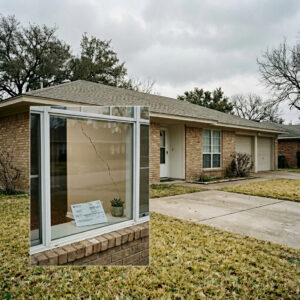
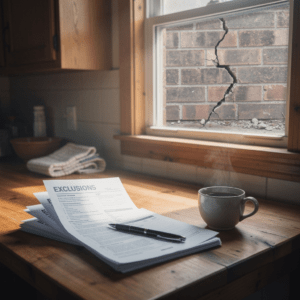
- Cracks in brick or masonry exterior walls
- Multiple cracks along one wall
- Separation where walls meet ceiling or floor
The Location Rule: Cosmetic cracks can appear anywhere. Foundation-related cracks appear in structurally significant locations where stress concentrates or where different building components meet.
The Severity Assessment
Size and Width:
Likely Normal:
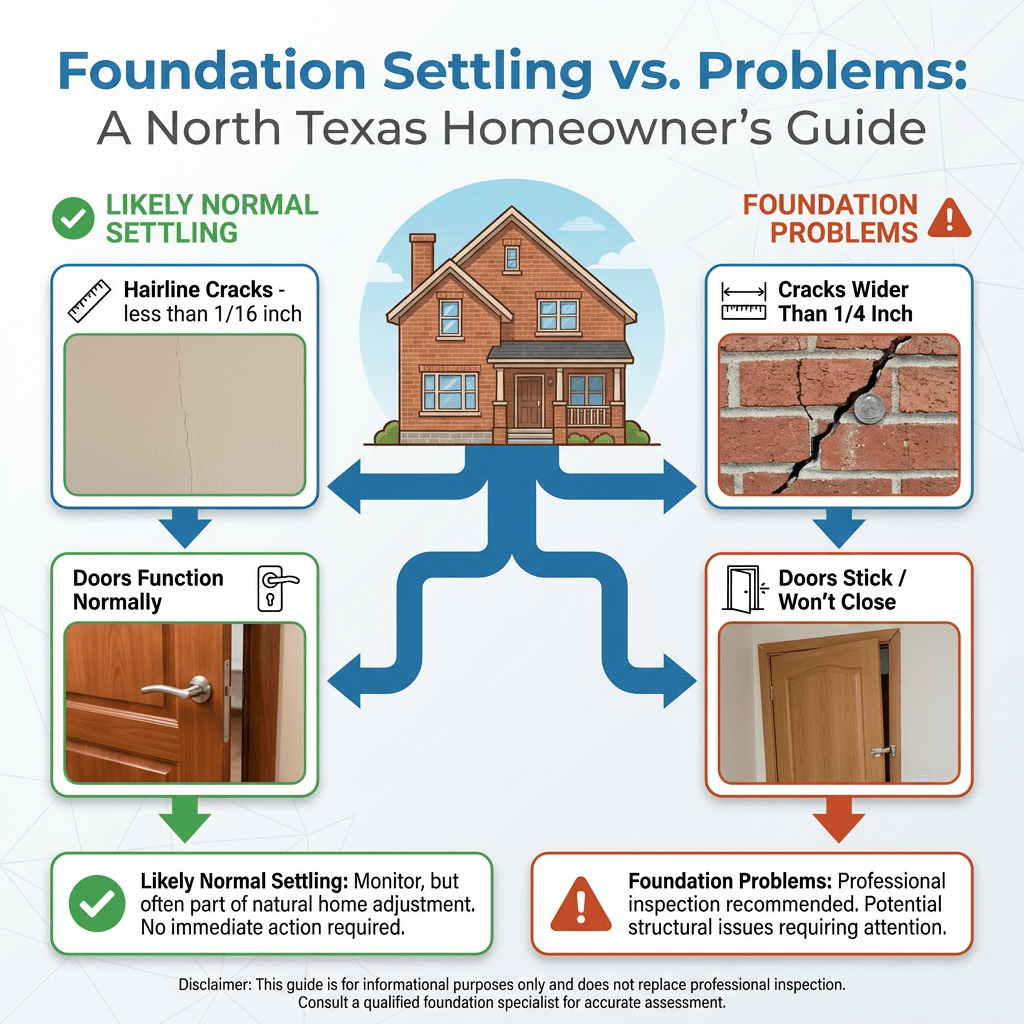
- Hairline cracks (1/16 inch or less)
- Cracks you could cover completely with a single coat of paint
- Minor separations at drywall joints
Foundation Concerns:
- Cracks wider than 1/4 inch
- Gaps you can fit a credit card into
- Cracks that have noticeably widened over time
- Any crack in brick, block, or concrete
The Width Test: Take a photo of concerning cracks with a ruler or coin for scale. Check again in 3-6 months. If width has increased, you’re dealing with active foundation movement, not settled issues.
Functional Impact
Normal Settling:
- No impact on daily function
- Doors and windows operate normally
- Floors feel level when walking
- Purely cosmetic concerns
Foundation Problems:
- Doors that won’t close, latch, or lock properly
- Windows that stick or won’t open
- Noticeable slopes when walking across rooms
- Cabinets or trim pulling away from walls
- Floors that feel bouncy or unstable
The Function Test: If the issue affects how your house functions, it’s not normal settling. Normal settling is cosmetic. Foundation problems impact usability.
Seasonal Patterns
Normal Settling:
- Issues don’t change with seasons
- Cracks that appeared initially don’t widen or narrow
- Doors that stuck initially continue sticking the same amount
Foundation Problems:
- Doors stick more in winter, less in summer (or vice versa)
- Cracks widen after heavy rains
- Floor slopes become more pronounced seasonally
- Issues that improve and worsen in cycles
The Seasonal Test: Keep a simple log of when issues are better or worse. If problems follow seasonal patterns, you’re experiencing foundation movement related to Texas’s wet-dry soil cycles—not normal settling.
Foundation Type Considerations
How settling and foundation problems manifest depends on whether you have pier and beam or slab foundation.
Pier and Beam Foundations
These elevated foundations are common in older North Texas homes and have characteristic behaviors.
Normal for Pier and Beam:
- Slight floor flexibility (the floor feels less rigid than concrete)
- Minor squeaking in floor boards
- Very slight unevenness in older homes that hasn’t changed
Foundation Problems in Pier and Beam:
- Floors that bounce or feel spongy when walking
- Visible sagging or dipping in floor areas
- Floors that have become noticeably more uneven
- Musty smells or moisture in crawl space
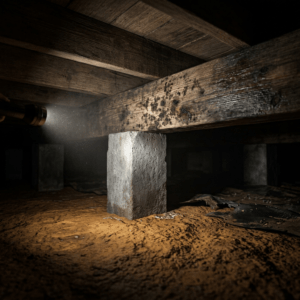
- Deteriorating wooden beams or posts visible in crawl space
Why It Matters: Pier and beam foundations in Texas are vulnerable to moisture damage in crawl spaces and settling of support posts. What might seem like “character” in an old house can actually be progressive foundation failure.
Slab Foundations
Concrete slab foundations dominate newer construction in Tarrant, Wise, and Parker counties.
Normal for Slabs:
- Extremely minor hairline cracks in the first year (concrete shrinkage)
- Stable conditions after the initial settling period
- Floors that feel completely solid and level
Foundation Problems in Slabs:
- Cracks in the slab itself (visible in exposed concrete or felt through flooring)
- Interior walls cracking
- Doors and windows malfunctioning
- Any noticeable floor slope or unevenness
- Exterior brick cracking in stair-step patterns
Why It Matters: Slab foundations should be incredibly stable. Unlike pier and beam, there’s no real “settling” period. If you’re experiencing issues with a slab foundation more than a year or two after construction, you’re likely dealing with actual foundation problems, not normal settling.
The Age Factor
Your home’s age significantly impacts what’s normal versus concerning.
New Homes (0-2 Years): Some minor cosmetic settling is normal. However, North Texas builders should account for our soil conditions. Significant problems even in new homes often indicate construction issues or insufficient foundation design for our clay soil.
Established Homes (3-15 Years): These homes should be stable. New problems appearing indicate foundation issues, not settling. The settling process is long over—what you’re seeing is active foundation movement.
Older Homes (15+ Years): These homes have experienced decades of Texas weather. If issues have been stable for years, they’re likely “done settling.” New problems or worsening of old issues indicate current foundation movement requiring attention.
Historic Homes (50+ Years): These pier and beam homes have “quirks” that are normal for their age. However, even in historic homes, rapidly worsening problems aren’t normal and shouldn’t be dismissed as “just an old house.”
The Moisture Connection
In North Texas, almost all foundation problems tie back to moisture—either too much or too little in the soil beneath your foundation.
Signs Your Foundation Issue Is Moisture-Related (Not Normal Settling):
- Problems worsen after heavy rain or during prolonged drought
- Issues are worse on one side of your house (often the side receiving less water)
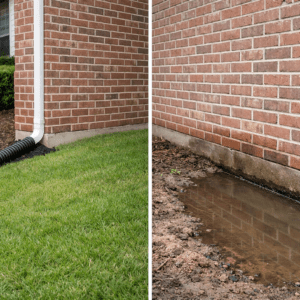
- You have poor drainage or water pooling near your foundation
- Trees or large shrubs are planted close to your foundation
- Gutters are clogged or downspouts dump water directly beside your house
The Moisture Reality: Normal settling happens and then stops. Foundation problems caused by moisture issues continue indefinitely unless addressed. If your problems are moisture-related, they won’t resolve on their own—they’ll cycle with Texas weather patterns, potentially worsening each cycle.
Common Homeowner Mistakes
Mistake #1: Assuming Age Means It’s Normal “This house was built in 1965, so these cracks are just part of an old house.”
Reality: Old houses can have foundation problems too. Age doesn’t make ongoing deterioration acceptable or safe.
Mistake #2: Believing Small = Insignificant “It’s just a small crack, so it’s probably nothing.”
Reality: Small cracks in significant locations (above doors, in brick) indicate serious stress. Size of crack doesn’t always correlate with severity of underlying problem.
Mistake #3: Comparing to Neighbors “My neighbor’s house has cracks too, so this must be normal.”
Reality: If multiple homes in a neighborhood have foundation issues, it indicates problematic soil conditions affecting everyone—not that problems are acceptable or normal.
Mistake #4: Waiting for “Really Bad” Before Acting “I’ll wait until it gets really bad before spending money on it.”
Reality: Foundation problems always cost less to fix early. A $5,000 repair now can prevent a $25,000 repair later. Small problems become big problems in Texas soil conditions.
When Professional Evaluation Is Needed
Based on the framework above, here’s when you need professional foundation inspection:
Definitely Get Inspected:
- Multiple symptoms appearing together
- Any rapidly changing conditions
- Cracks in brick or exterior masonry
- Doors or windows that have stopped functioning properly
- Any floor slope or unevenness
- Seasonal patterns of worsening/improving
- New issues in homes over 3 years old
Consider Inspection:
- Single symptom that concerns you (peace of mind has value)
- Hairline cracks that seem to be widening
- You’re buying or selling the home
- You want baseline documentation for future reference
Probably Just Monitor:
- Tiny cosmetic cracks in new home’s first year
- Single stable issue that hasn’t changed in years
- No functional impact and no progression
The Cost of Being Wrong
If You Assume Foundation Problems Are Normal Settling:
- Minor issues become major problems
- Repair costs multiply dramatically (often 5-10x)
- Your home’s value decreases
- Safety risks increase
- Damage extends beyond foundation to plumbing, framing, and finishes
If You Treat Normal Settling as Foundation Emergency:
- You spend money on engineering inspection ($1,100 at Tri-County Foundation Repair, though this is deducted from repair costs if you proceed)
- You get peace of mind and professional documentation
- You establish baseline for future monitoring
- You might discover minor issues before they become major
The Risk Analysis: The cost of unnecessary inspection is measured in hundreds of dollars. The cost of ignoring real foundation problems is measured in tens of thousands. From a pure risk-management perspective, when in doubt, inspect.
The North Texas Reality Check
Here’s the truth about foundation problems in Tarrant, Wise, and Parker counties: they’re common, they’re manageable, and they’re not going away. Our expansive clay soil means that foundation maintenance is part of Texas homeownership.
What Actually Qualifies as “Normal” in North Texas:
- Understanding your foundation will move somewhat with seasonal moisture changes
- Monitoring your home for signs of problematic movement
- Managing moisture around your foundation through proper drainage
- Addressing foundation problems relatively early, before they become catastrophic
What’s NOT Normal:
- Ignoring obvious warning signs
- Assuming all cracks are harmless
- Believing foundation problems resolve themselves
- Waiting until dramatic failure before acting
Making Your Decision
If you’re reading this article, you probably have some concern about your home. Here’s a practical decision-making framework:
Answer These Questions:
- Has this issue changed or worsened in the past 6-12 months? (Yes = concern)
- Are there multiple symptoms (cracks + door issues + floor concerns)? (Yes = concern)
- Does this affect how my house functions? (Yes = concern)
- Is this in brick, concrete, or other rigid materials? (Yes = concern)
- Am I losing sleep worrying about it? (Yes = get inspected for peace of mind)
If you answered “yes” to any of questions 1-4: Professional evaluation is appropriate. You’re likely dealing with foundation problems, not normal settling.
If you answered “no” to all questions 1-4 but “yes” to question 5: The cost of professional inspection may be worth it for peace of mind, and you’ll have baseline documentation for future reference.
If you answered “no” to all five questions: You can probably monitor the issue over time. Mark cracks, document the current state with photos, and check again in 6 months.
Living with Your Texas Foundation
Whether you’re dealing with normal settling or foundation problems, living in North Texas means staying aware of your home’s foundation health. Here’s what smart homeowners do:
Regular Monitoring:
- Walk through your home quarterly, checking doors, windows, and walls
- Photograph concerning cracks with dates
- Note seasonal patterns of changes
- Keep records of when issues first appeared
Preventive Maintenance:
- Maintain consistent moisture around your foundation
- Keep gutters clean and downspouts directed away
- Address drainage problems promptly
- Be thoughtful about tree placement and watering
Quick Response:
- Take new symptoms seriously
- Don’t assume problems will resolve themselves
- Get professional evaluation when warranted
- Address repairs before they multiply in cost
The Bottom Line
The difference between normal settling and foundation problems comes down to a few key factors: timing, progression, pattern, and function. Normal settling happens early, stabilizes quickly, affects only cosmetics, and doesn’t recur. Foundation problems develop over time, worsen progressively, show multiple symptoms, and impact how your house works.
In Texas, with our expansive clay soil and extreme weather patterns, what looks like “settling” is often actually ongoing foundation movement. This is why the “wait and see” approach that might work elsewhere can be costly here.
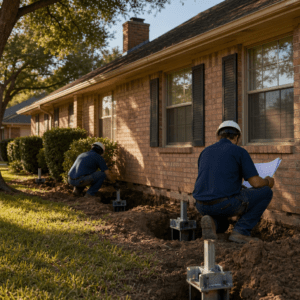
If you’re concerned about your Tarrant, Wise, or Parker County home, professional evaluation provides clarity. At Tri-County Foundation Repair, our process begins with a licensed structural engineer’s inspection that gives you objective information about your foundation’s condition. Whether you’re dealing with normal settling or actual problems, you’ll know—and you’ll have a professional report documenting your home’s foundation status.
According to the International Association of Certified Home Inspectors, foundation problems are among the most serious issues a home can face, but they’re also among the most repairable when caught early. Your foundation supports everything else. Understanding whether you’re experiencing normal behavior or problematic movement isn’t just about peace of mind—it’s about protecting your most significant investment and ensuring your home remains safe, stable, and secure for years to come.